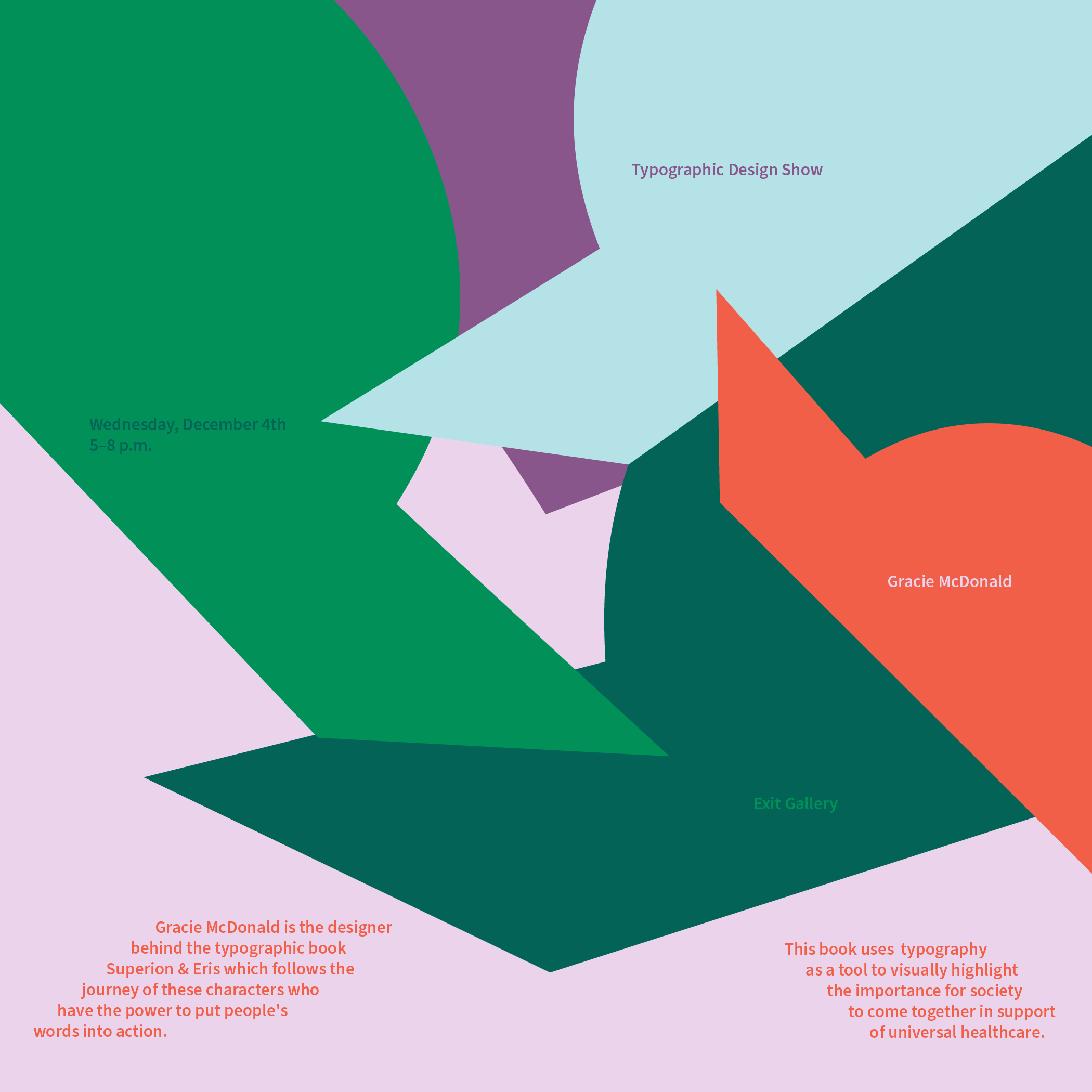
Typography Project
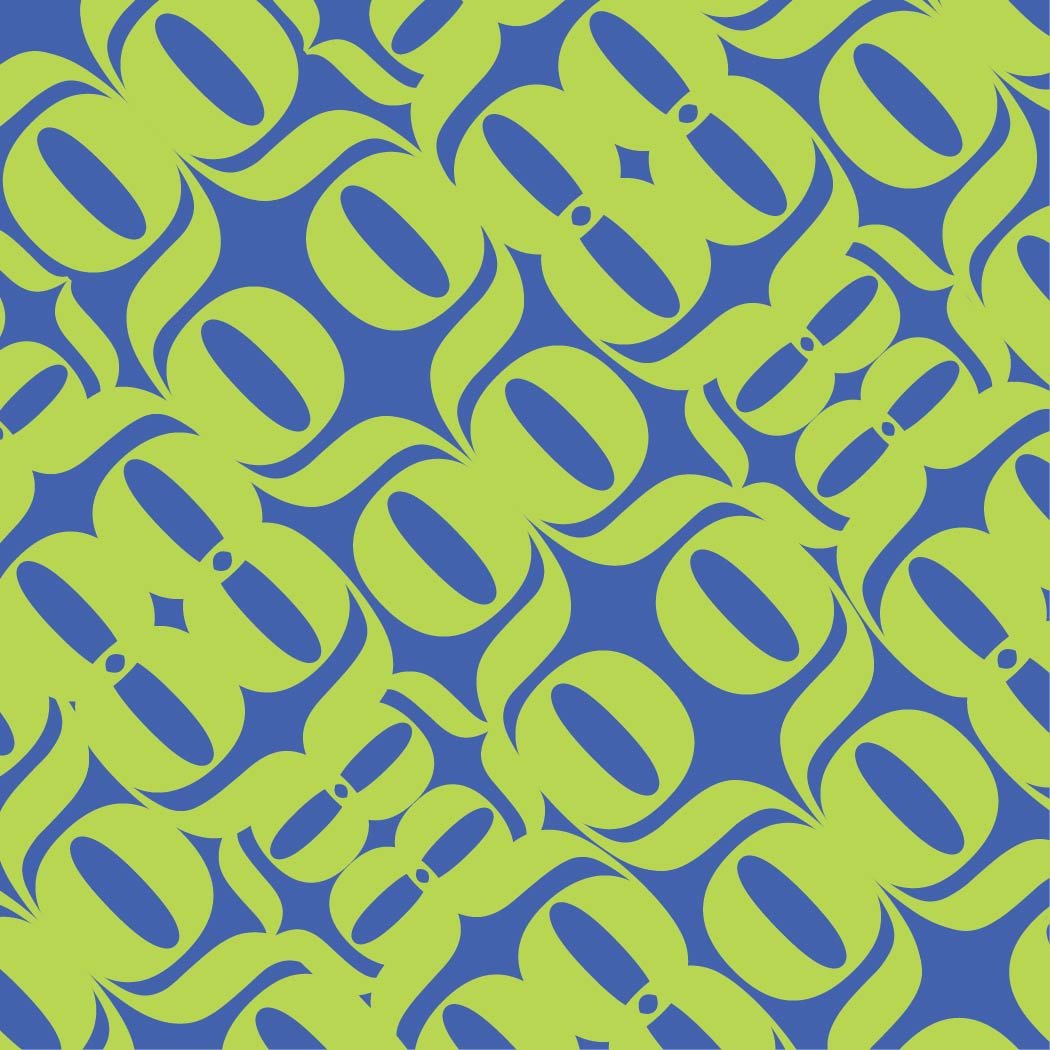
Within the parameters of this typographic project, I was prompted to blur the line between type as text and images by designing artistic patterns with typography. This allowed for me to practice originating typographic solutions as visual responses to challenges in order to extend viewer engagement.

3. Typographic Logo Mark
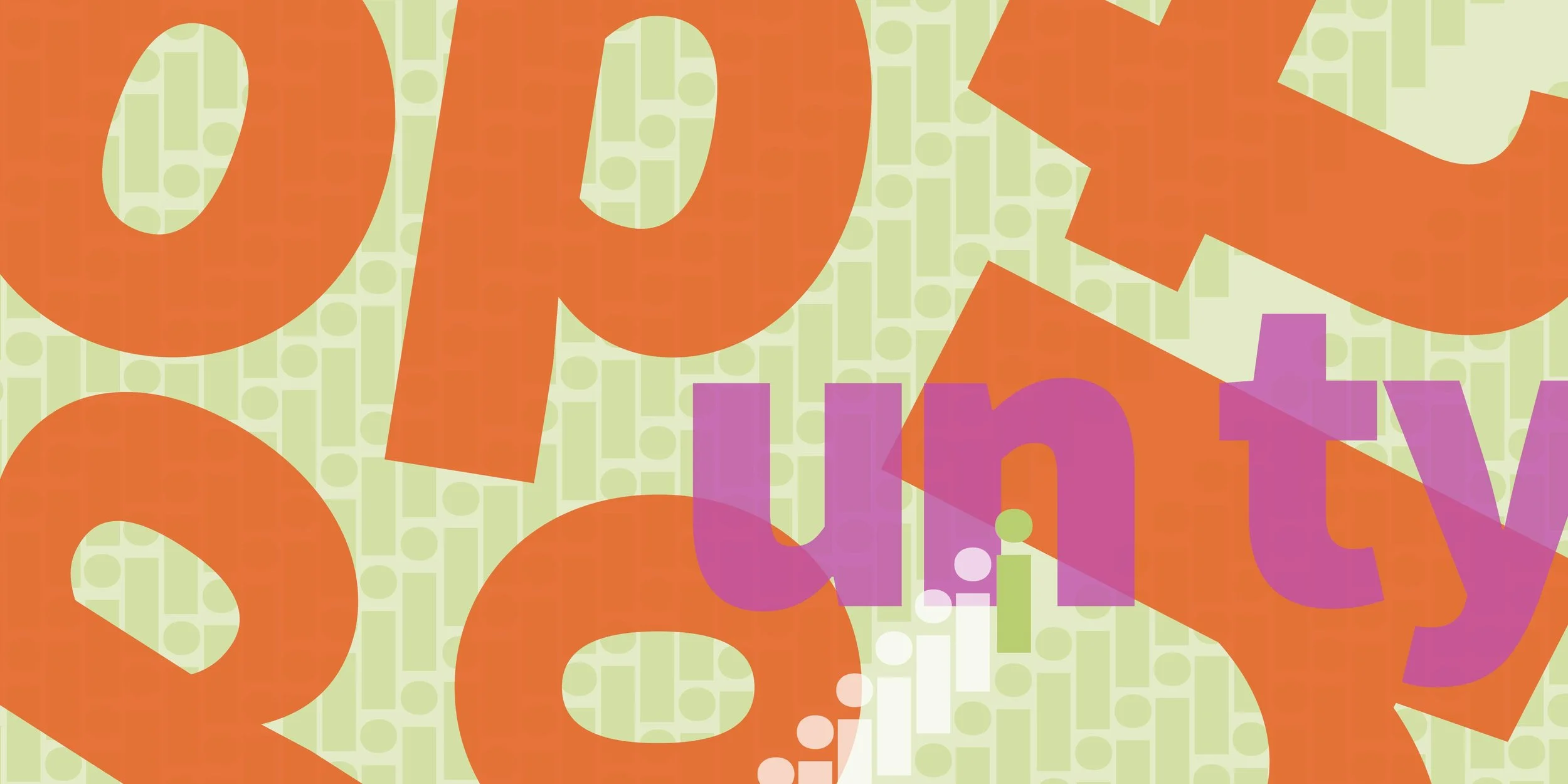
Type as Text and as Image
For part one, I was prompted to blur the line between type as text and images by designing artistic patterns with typography. This allowed for me to practice originating typographic solutions as visual responses to challenges in order to extend viewer engagement.
Four Sections
1. Type as Text and as Image
2. Social Issues Typography
4. Visual Hierarchy
Figure/Ground
Vibrating of Color
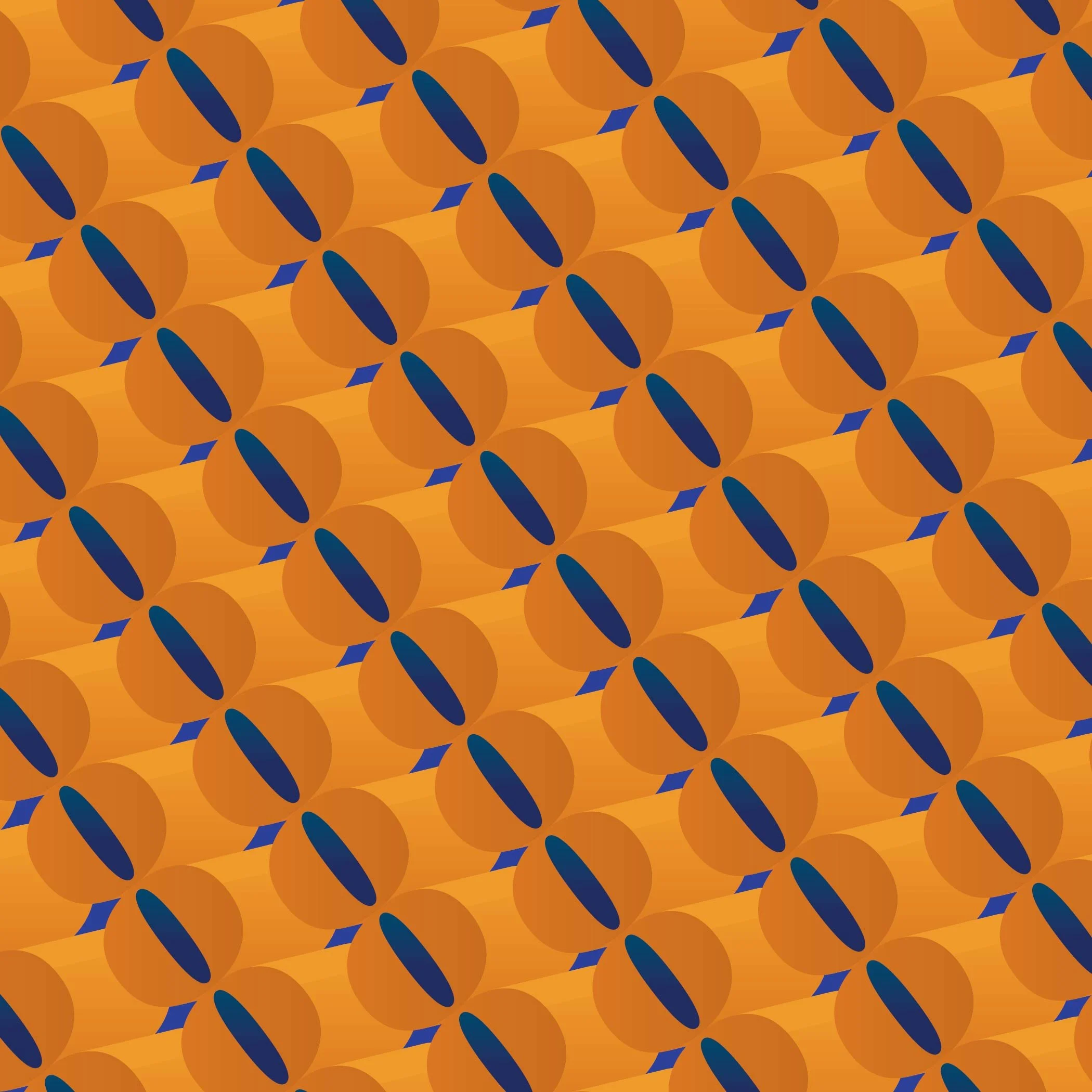
Illusion of Depth
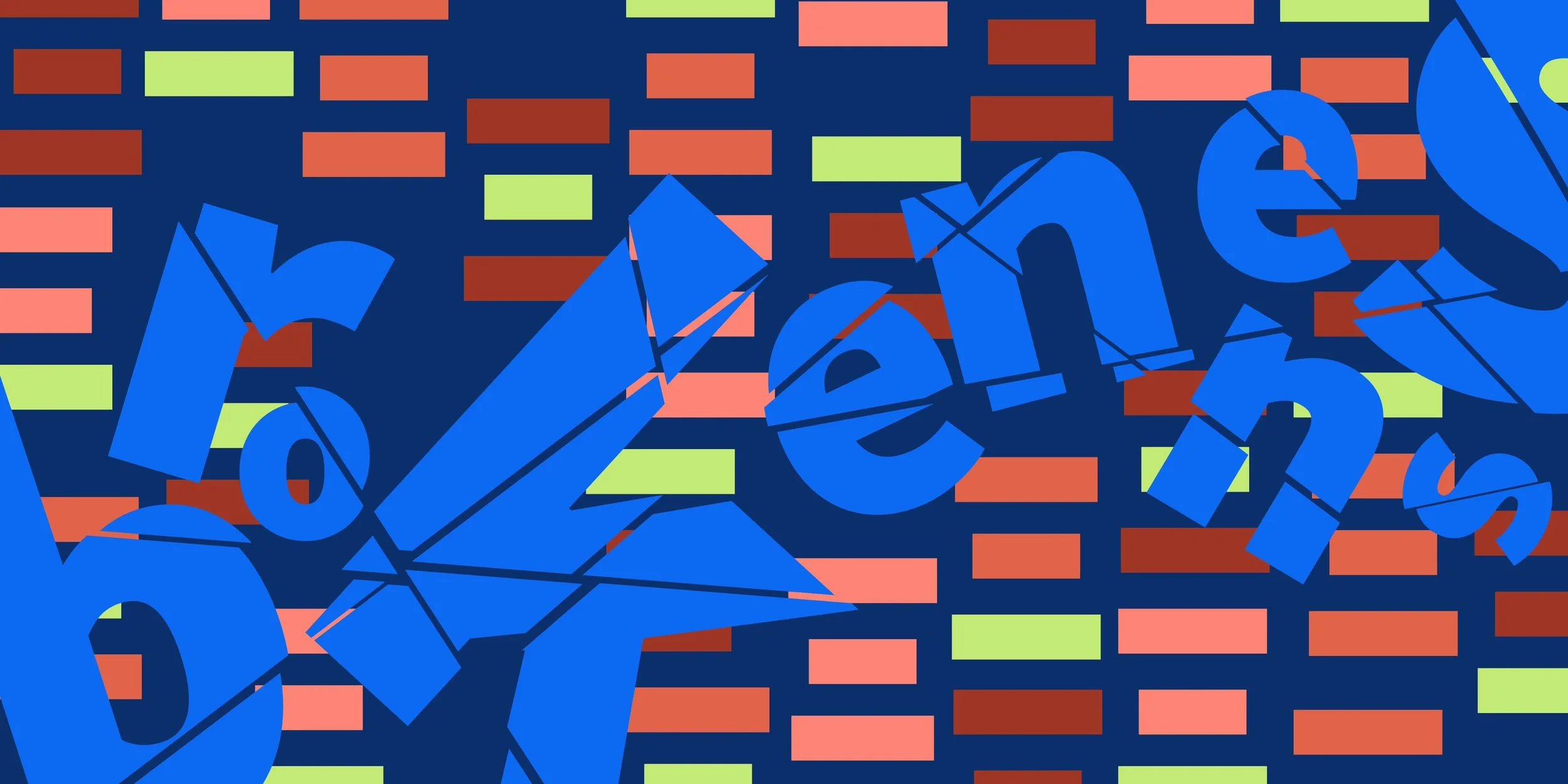
2. Social Issues Typography
For this project, I was prompted to design six typographic word puns and integrated colorful abstract typographic background patterns that unpack issues surrounding your social injustice.
Visually communicate a conceptual link between each word (pun) & image (pattern)
Tell a visual story that links all 6 designs together in a sequence
My social injustice: Universal Healthcare
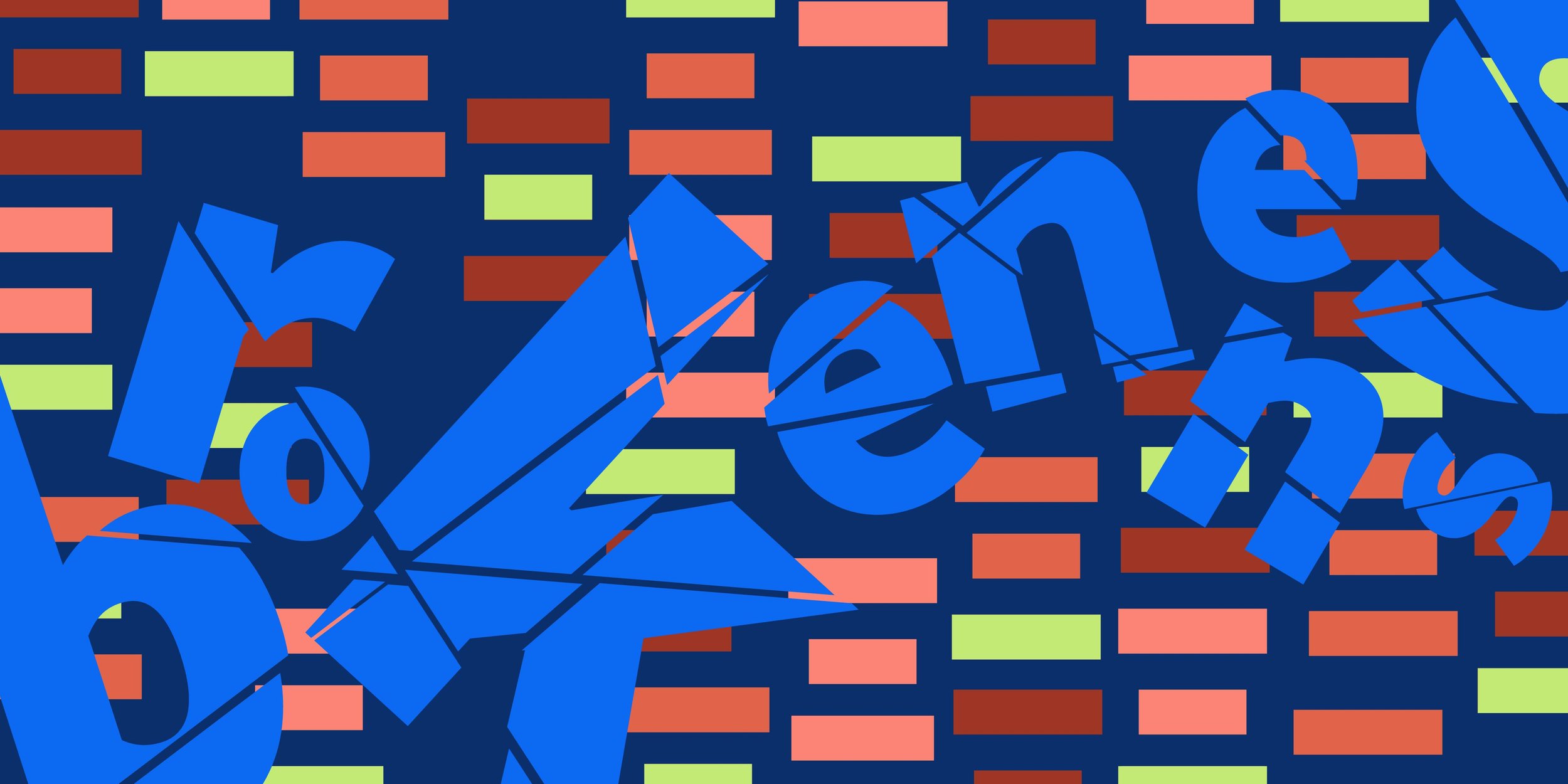
Brokenness: Triadic
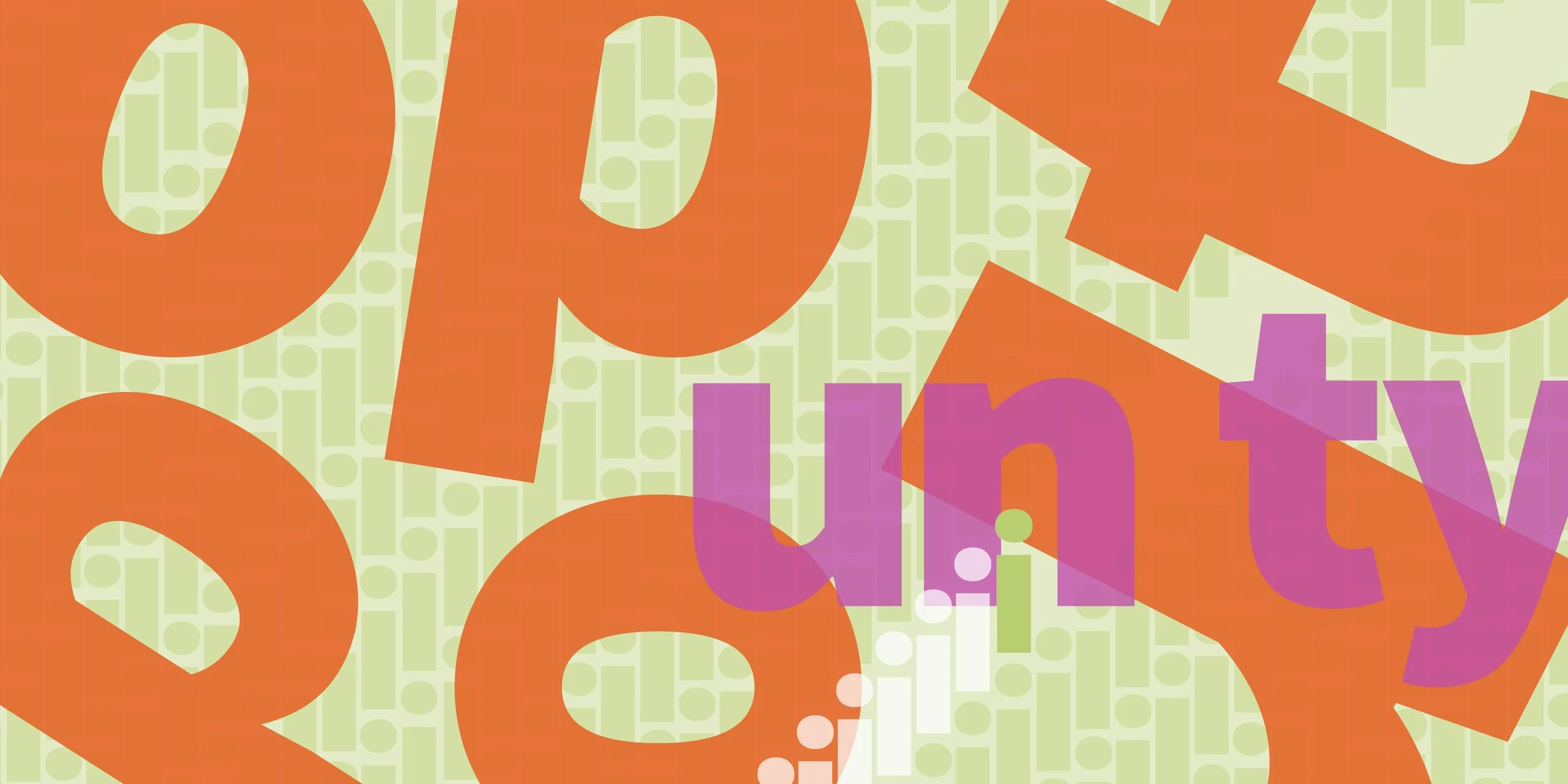
Opportunity: Tetradic

Inferior: Analogous
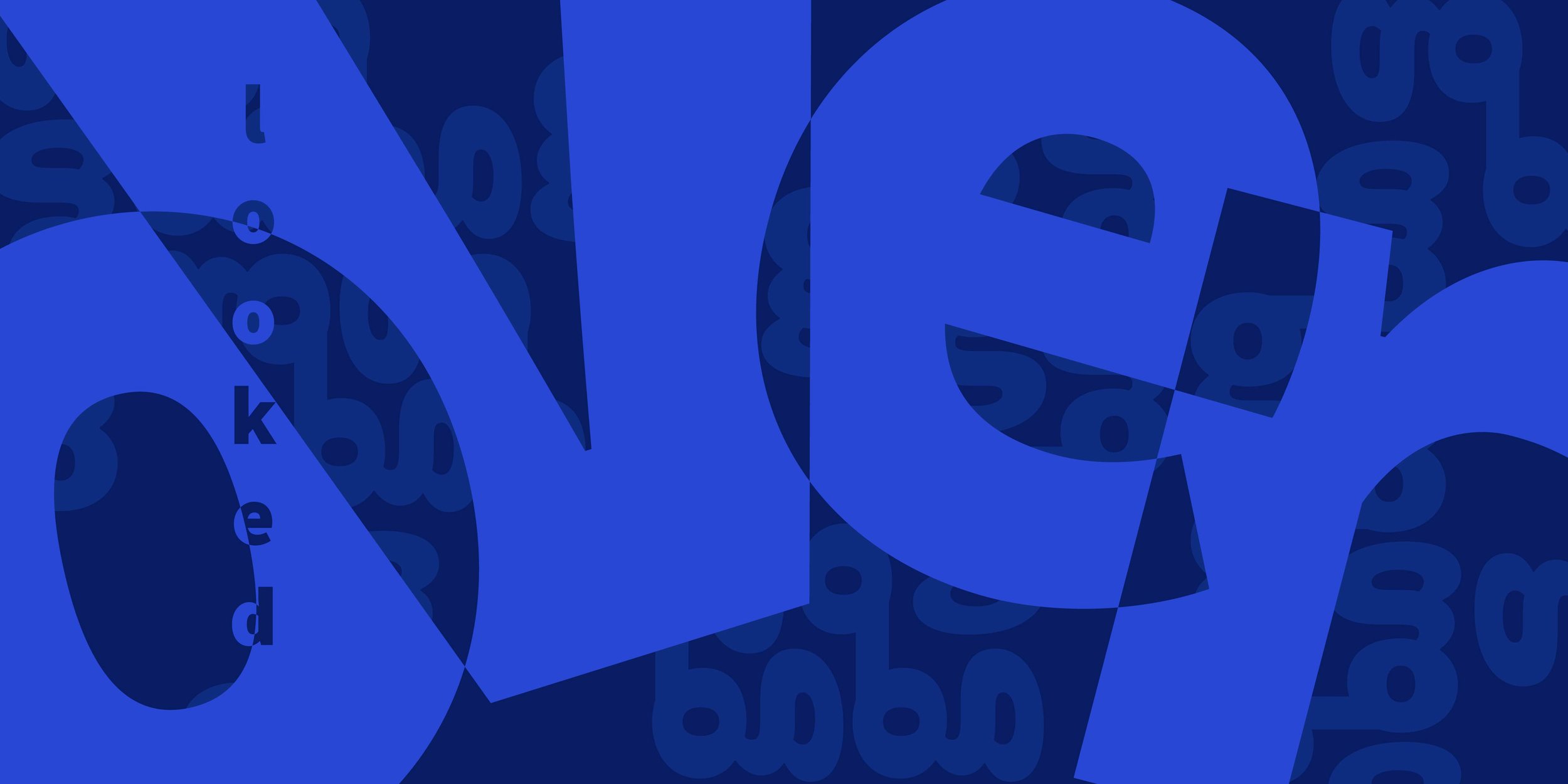
Overlooked: Monochromatic
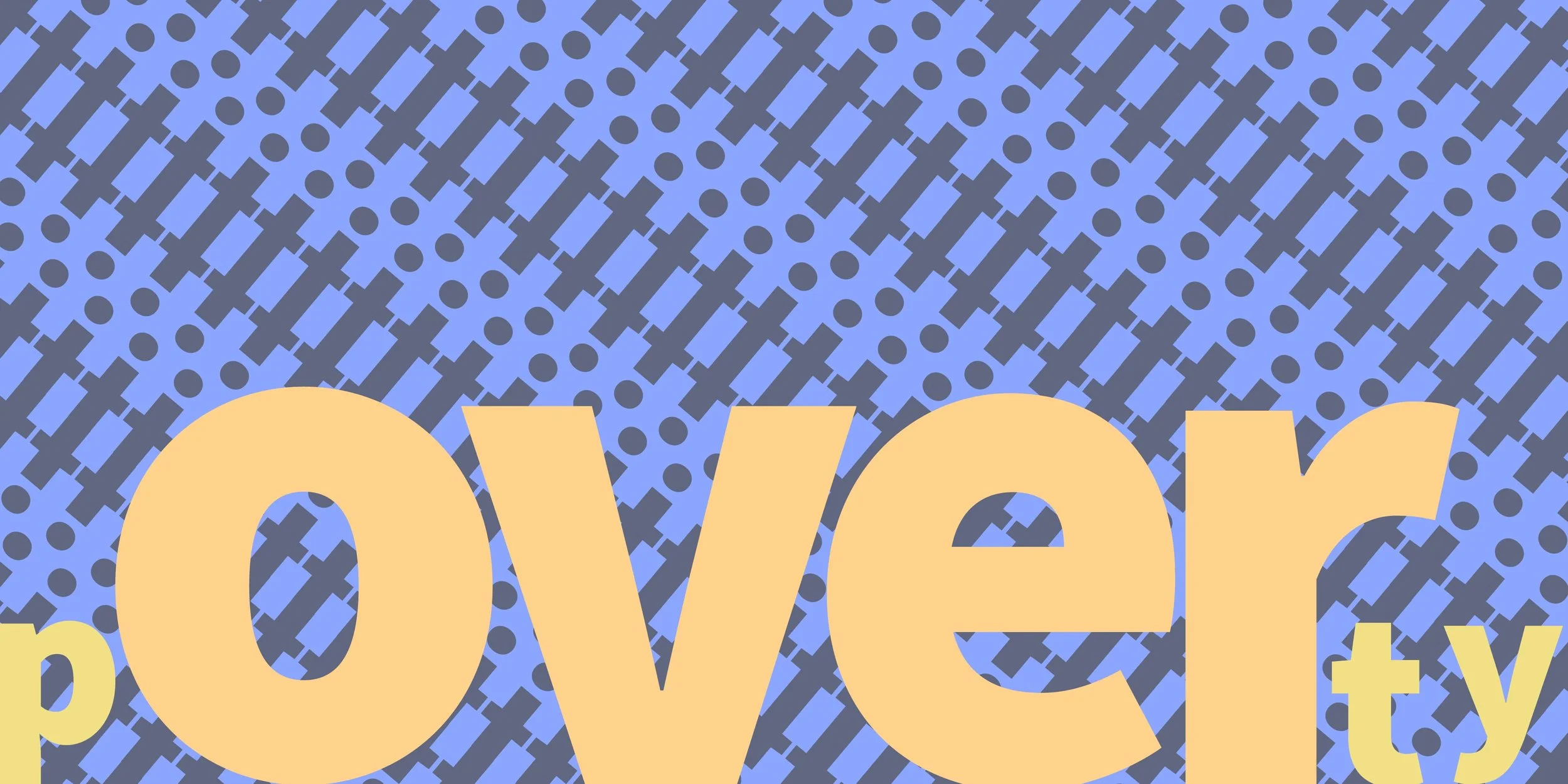
Poverty: Split Complementary

Initiate: Complementary
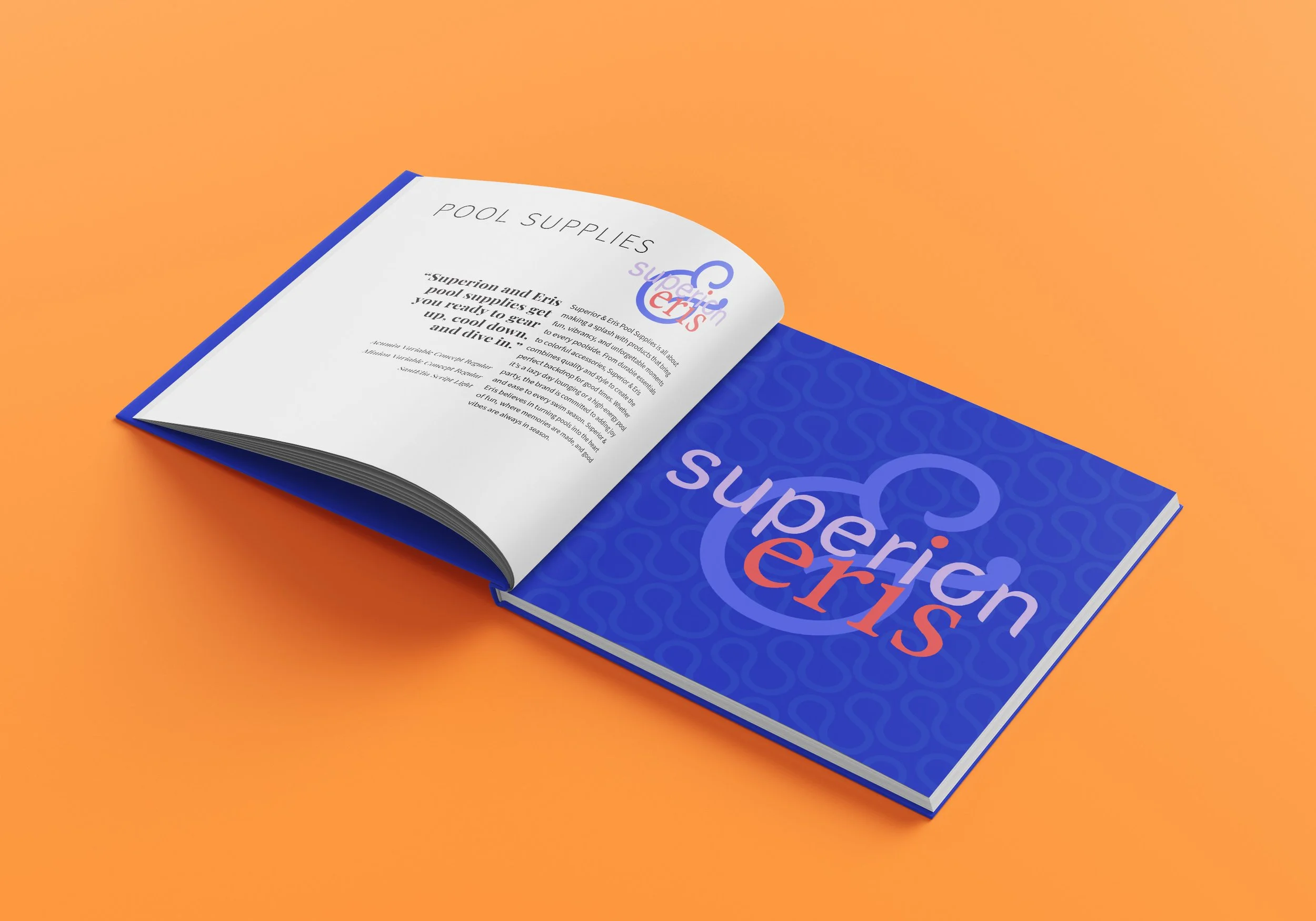
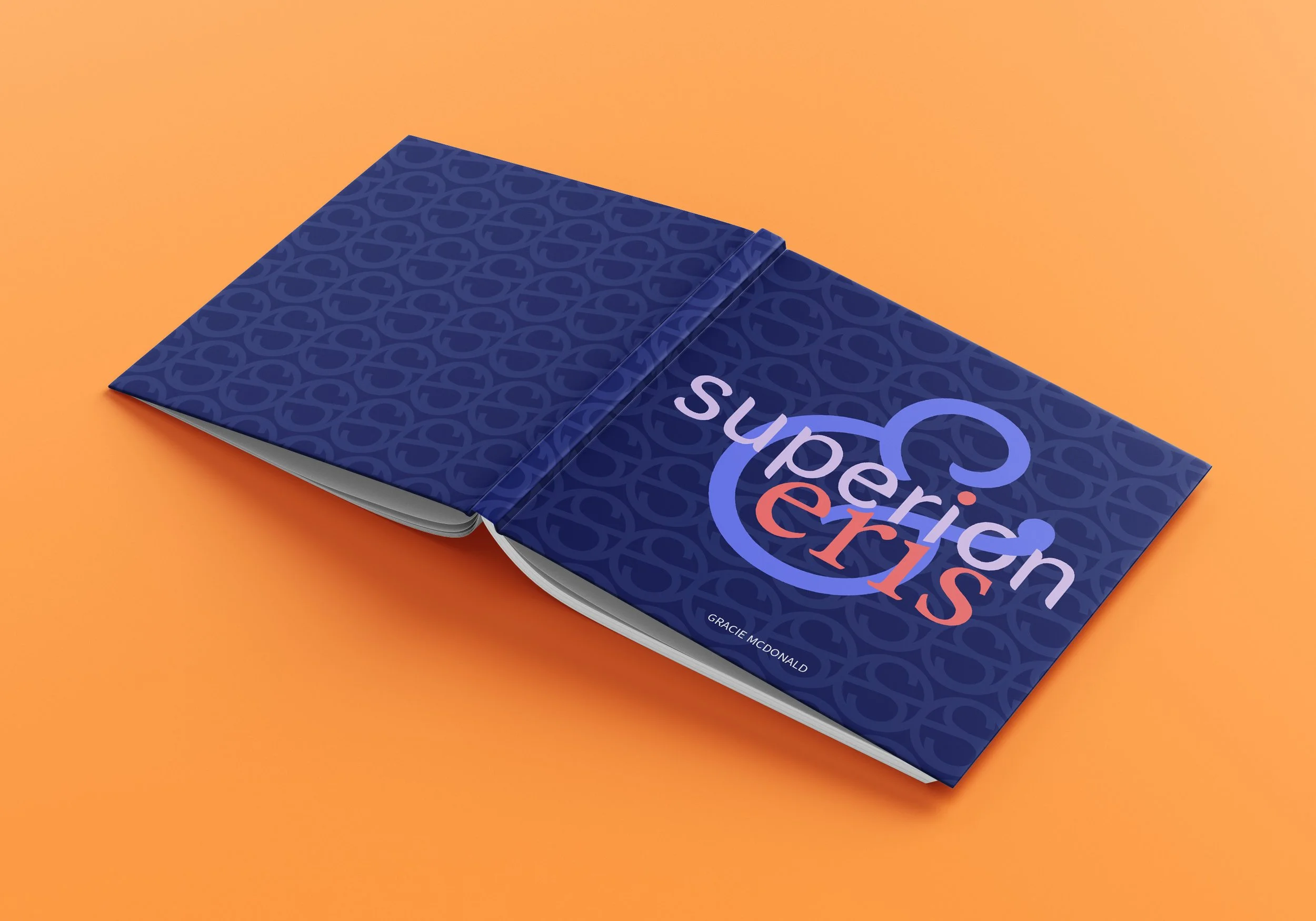
3. Typographic Logo Marks
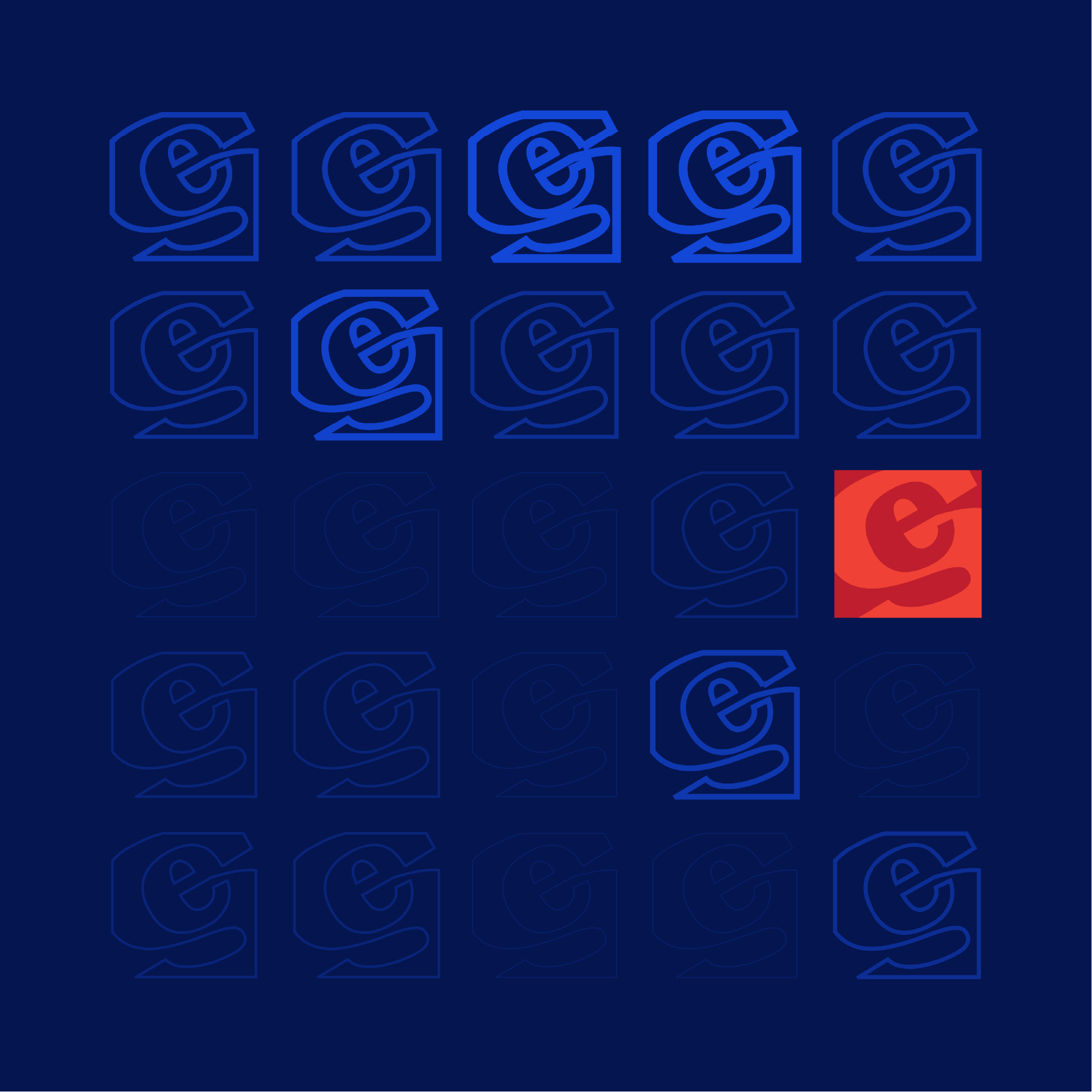
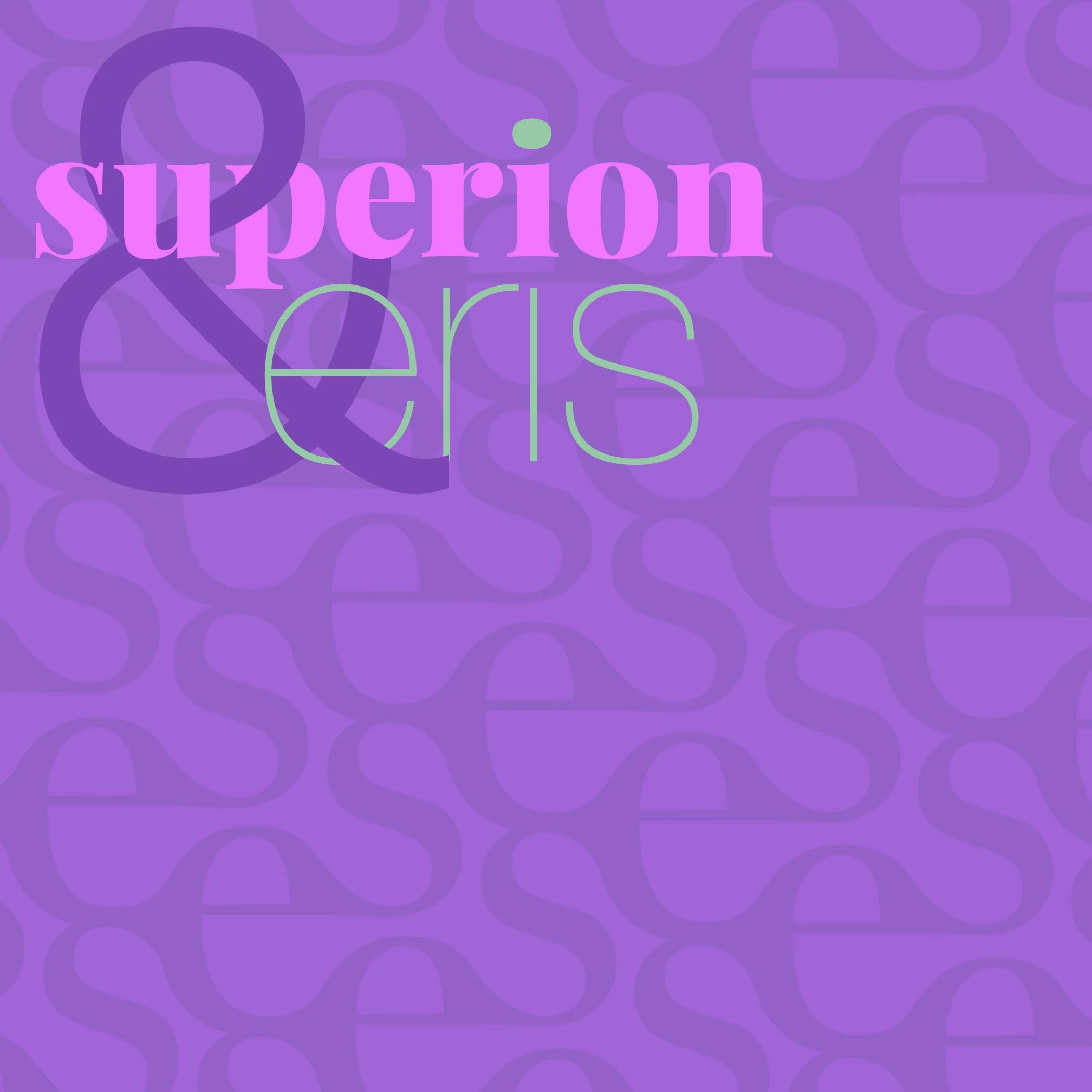
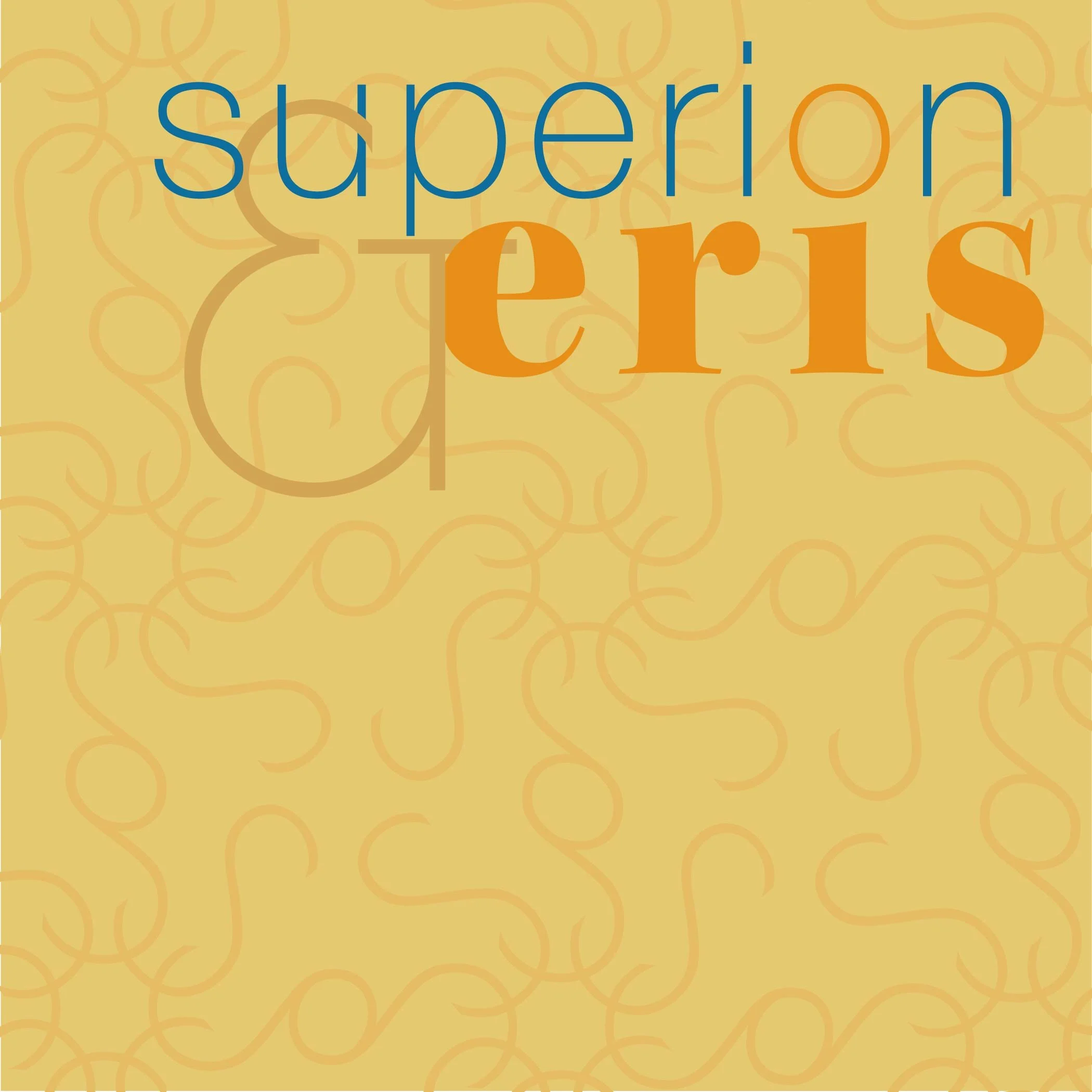
I created identities of superheroes that would be aids in the social justice issue of my choice. Using my characters' names, I designed three typographic logo marks exploring different personalities for their combined identity.
Interlock ~ Ascenders & Descenders
Intertwine ~ Thick & Thin Fonts
Customize ~ Serif & Sans Serif

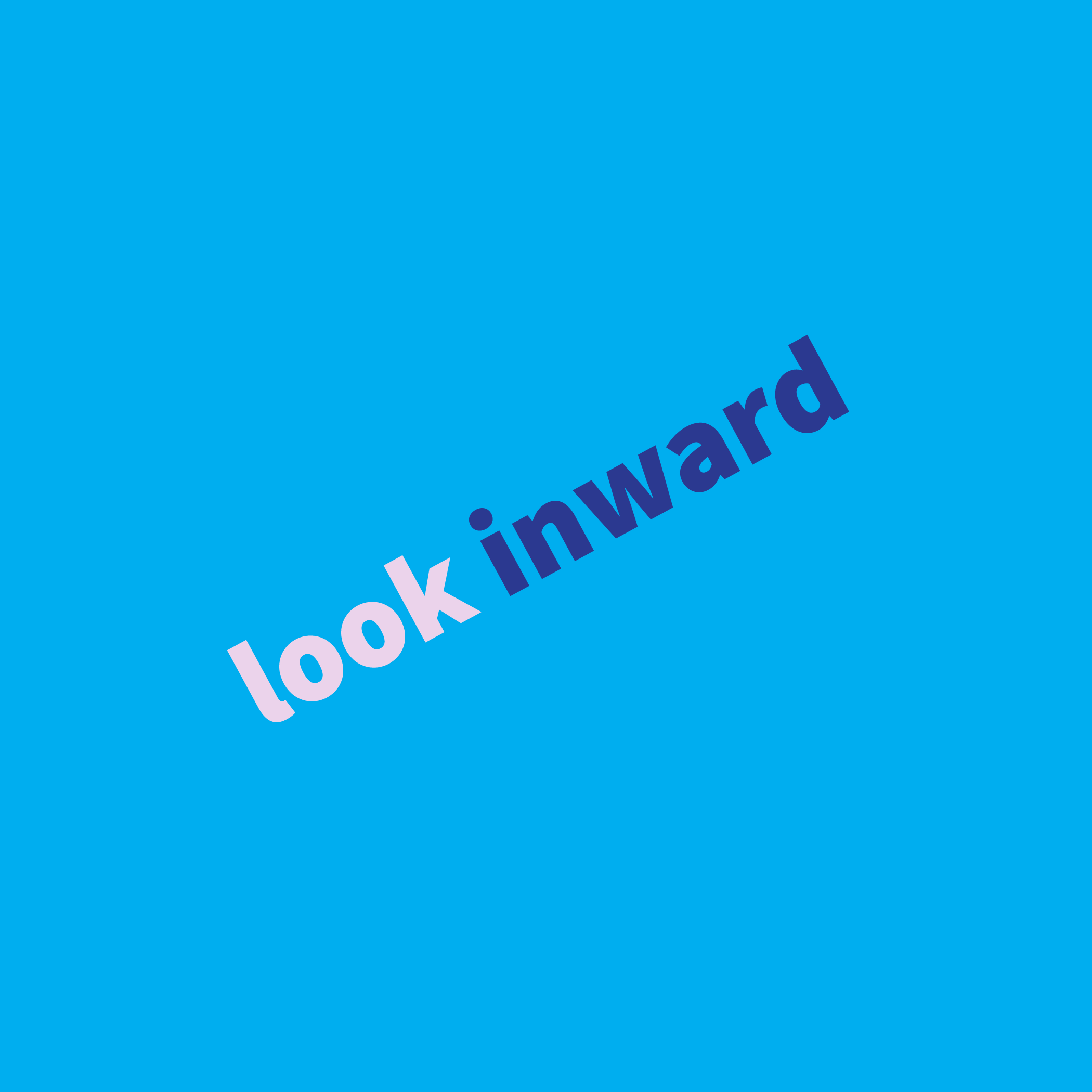
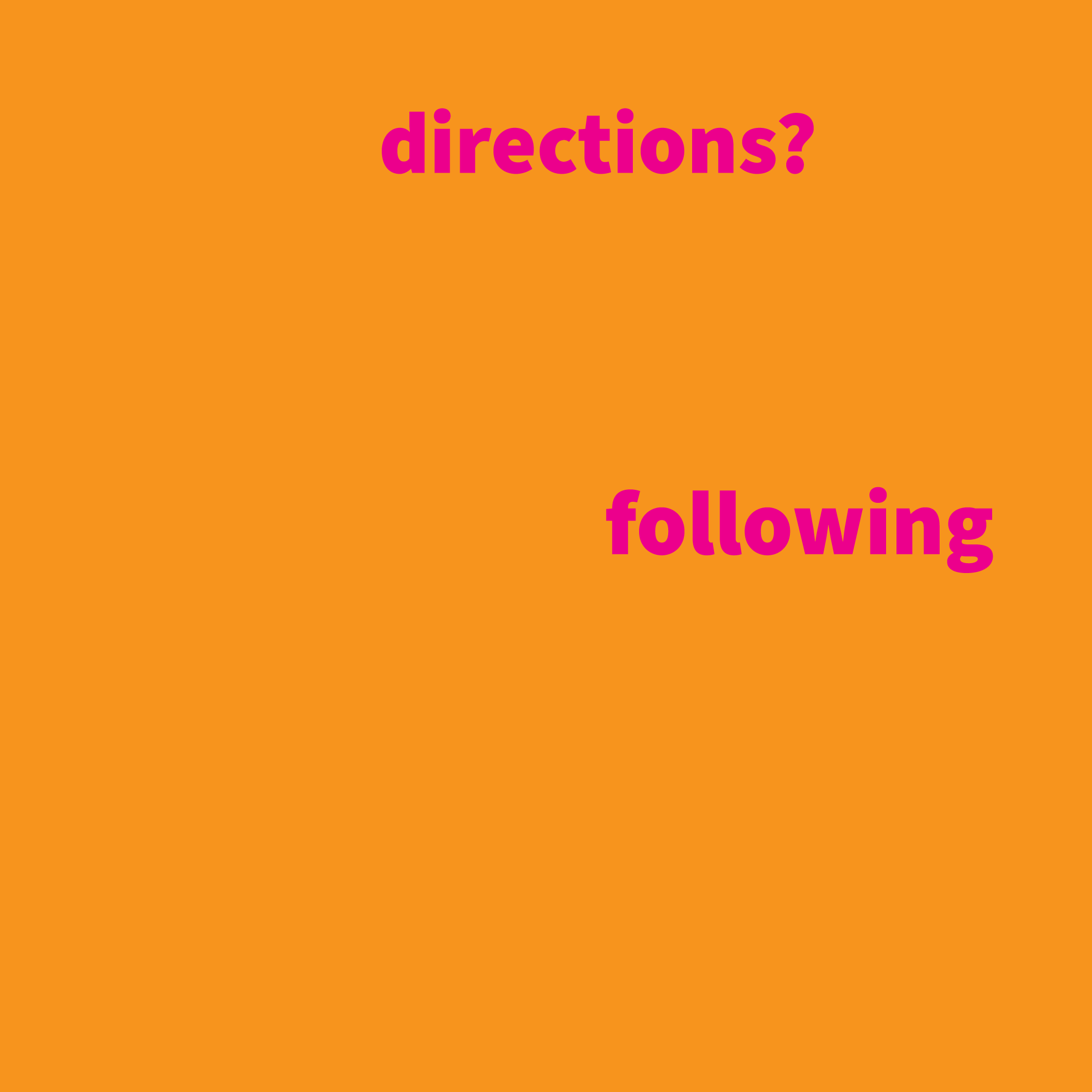
4. Visual Hierarchy & Compositional Flow
For this part, we were instructed on how harnessing the basic distinction between graphic elements can become the formal basis of creating and successfully communicating messages.
Create the illusion of 3-dimensional depth by layering 2 letterforms to establish a foreground & background visual hierarchy
Direct the visual flow by focusing the viewer's attention, and help them differentiate the relative importance of information
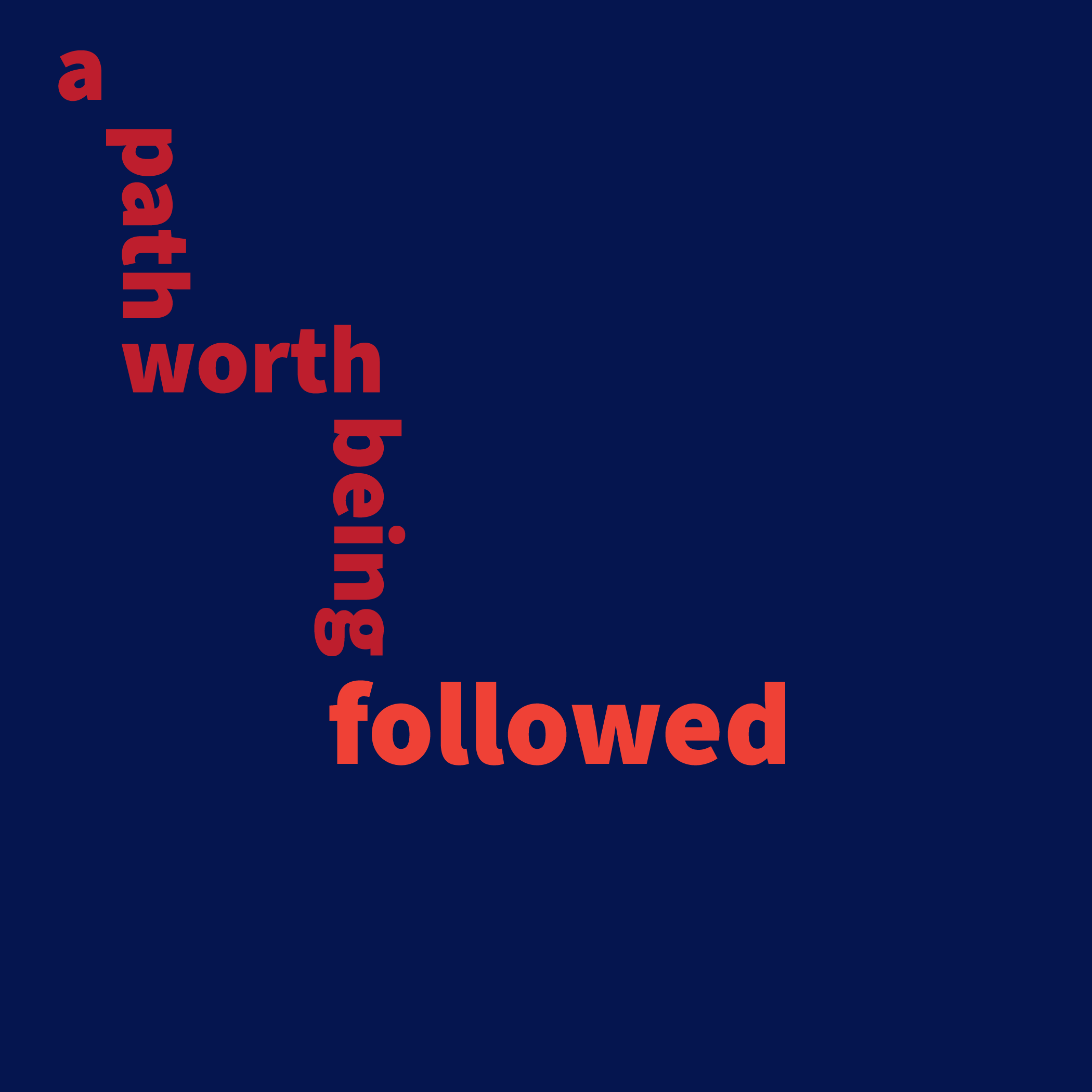
Layout a composition using directional axes intentionally positioned to guide the compositional flow
Design a visual flow-path that viewers can discern, dissect and follow combining all 4 hierarchical strategies:
Tone, Depth, Direction, Congruence